


5 # Kitsch
5 # Kitsch
📦 Check shipping zones + rates for this product
📦 Check shipping zones + rates for this product
Germany: €1,60
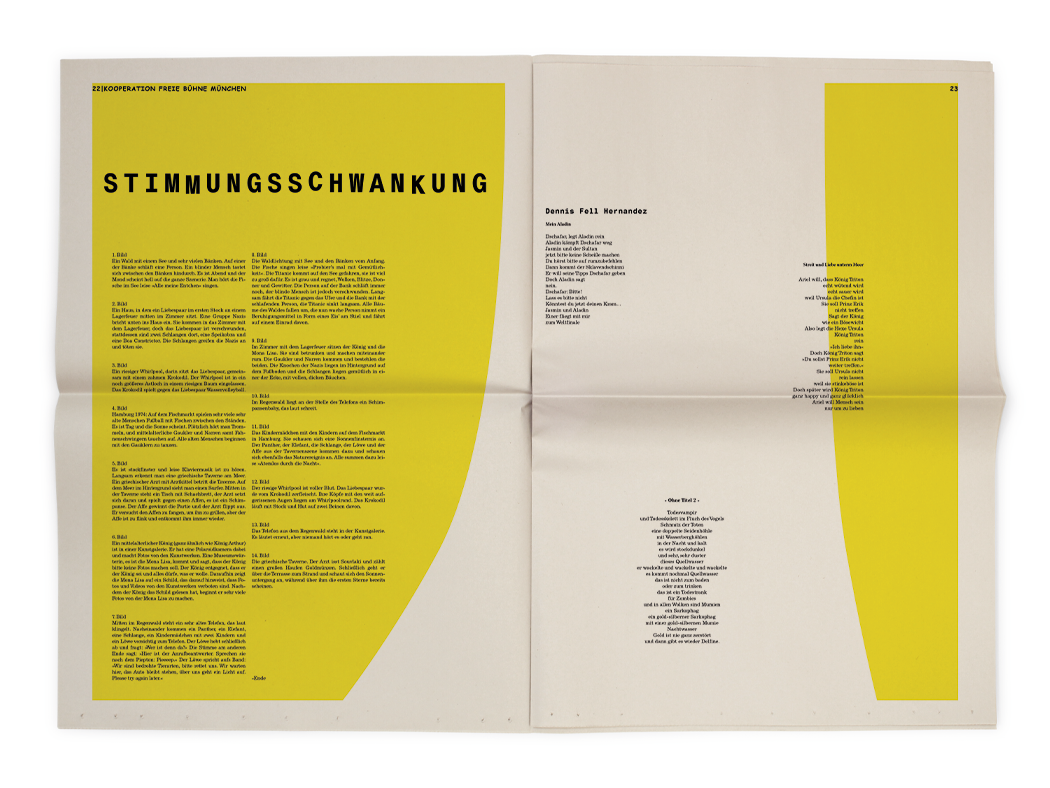
"Camp" à la Oskar Wilde put everything in double quotation marks, thus challenging fixed categories like 'man,' 'woman,' or even 'art.' – But what potential lies today in YouTube tutorials for inedible unicorn cakes, Diddl mice, or the homey kitsch in pubs?
Why are there so many likes for everything that glitters? What is the current relationship between art and kitsch, with Jeff Koons' "Winter Bears" traveling through the world's museums? How does kitsch work in love poems? And what does all this actually have to do with Marx?
-
»Camp« à la Oskar Wilde versah alles mit doppelten Anführungszeichen und rüttelte so an fixierten Kategorien wie ›Mann‹, ›Frau‹ oder auch ›Kunst‹. – Doch welches Potenzial steckt heute in YouTube-Anleitungen zu nicht-essbaren Einhorn-Torten, Diddl-Mäusen oder dem Heimat-Kitsch in Kneipen?
Warum gibt es so viele Likes für alles was glitzert? Wie ist es um das aktuelle Verhältnis von Kunst zu Kitsch bestellt, wo Jeff Koons‘ »Winter Bears« durch die Museen der Welt reisen? Wie funktioniert Kitsch in Liebesgedichten? Und was hat das alles eigentlich mit Marx zu tun?


—
💛 By visiting [kon] Paper’s website, you’re supporting an independent publisher directly and contributing to a wider network of artists, readers and small presses beyond traditional channels.
This product is designed and sold by — [kon] Paper
Country — Germany
Shipping information —
About —