


Cerralbo Santomà
Cerralbo Santomà
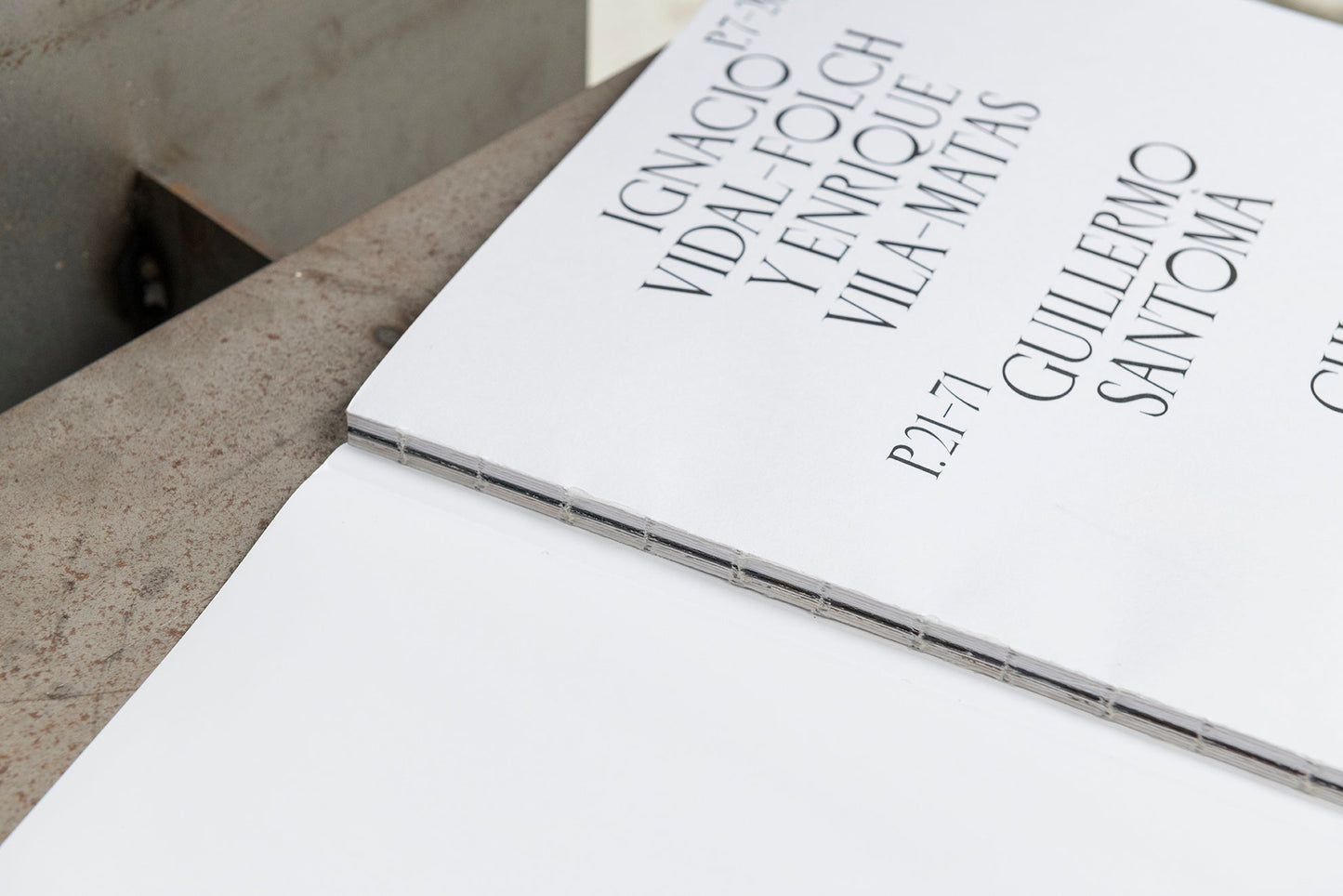
Chus Martínez, Ignacio Vidal-Folch, Enrique Vila-Matas, Guillermo Santomà
📦 Check shipping zones + rates for this product
📦 Check shipping zones + rates for this product
Spain and Portugal: Free shipping — Europe: €10 — Rest of the World: €20
Bilingual edition: Spanish-English
240 x 320 mm
Graphic design: Raquel Quevedo
Limited edition: 500 copies
"I find your purpose of searching through the abundance of the Cerralbo house for the most interesting mistakes, the incongruities, the absences—precisely what is missing—very suggestive. I associate that interest with a vague and old desire of yours to disappear. A paradoxical desire associated with your hyper-presence: the more you disappear, the more you are there. The yearning for disappearance was a way of being for you, of super-being… of superstar.
If instead of going to Paris, you end up walking to Cerralbo in Herzog’s style to see Santomà's works, I will surely join you. For you, it’s just around the corner. For me, it’s farther away, but from my village, I could ride there on horseback, seeking the rhythm of Moreau's Rider.
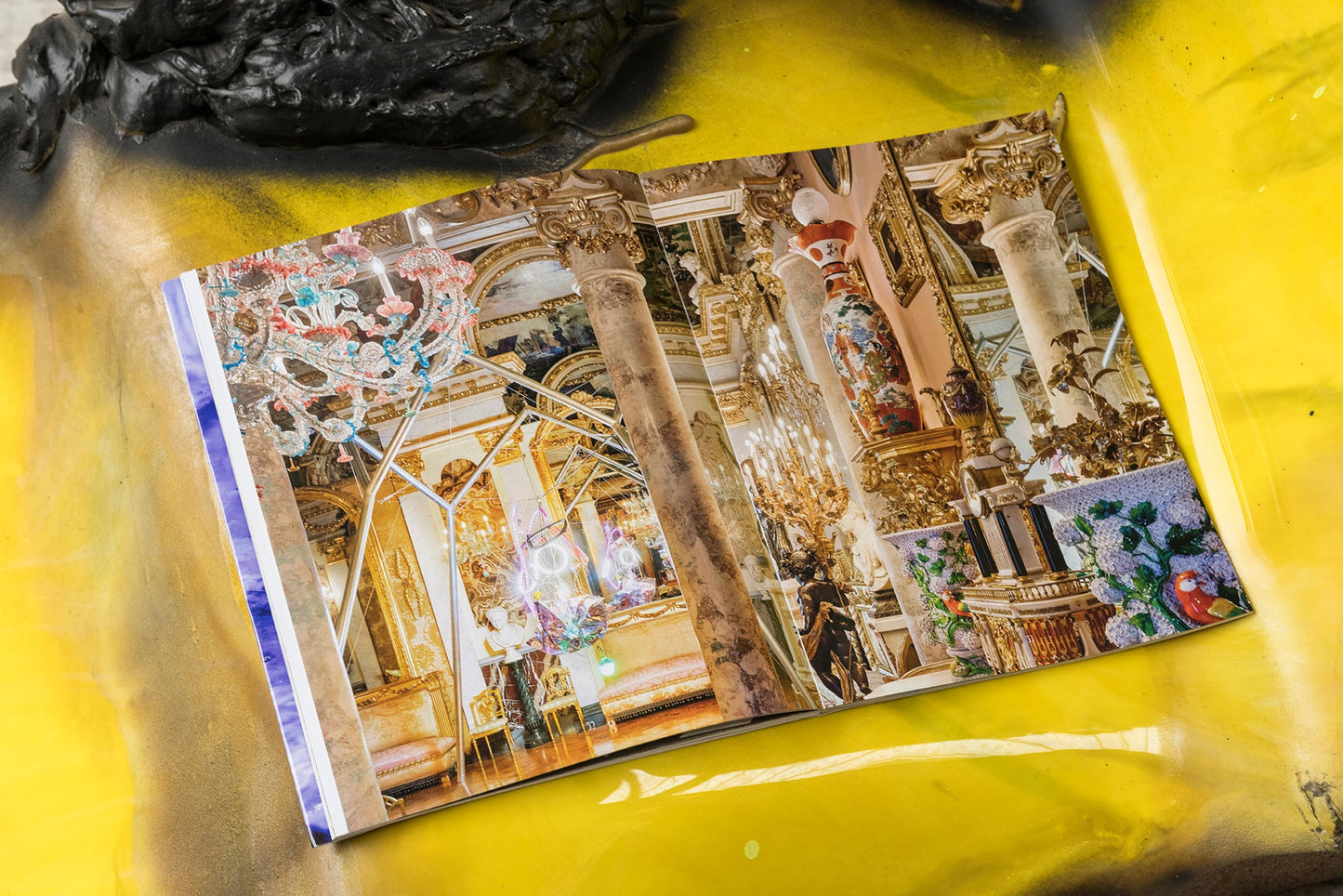
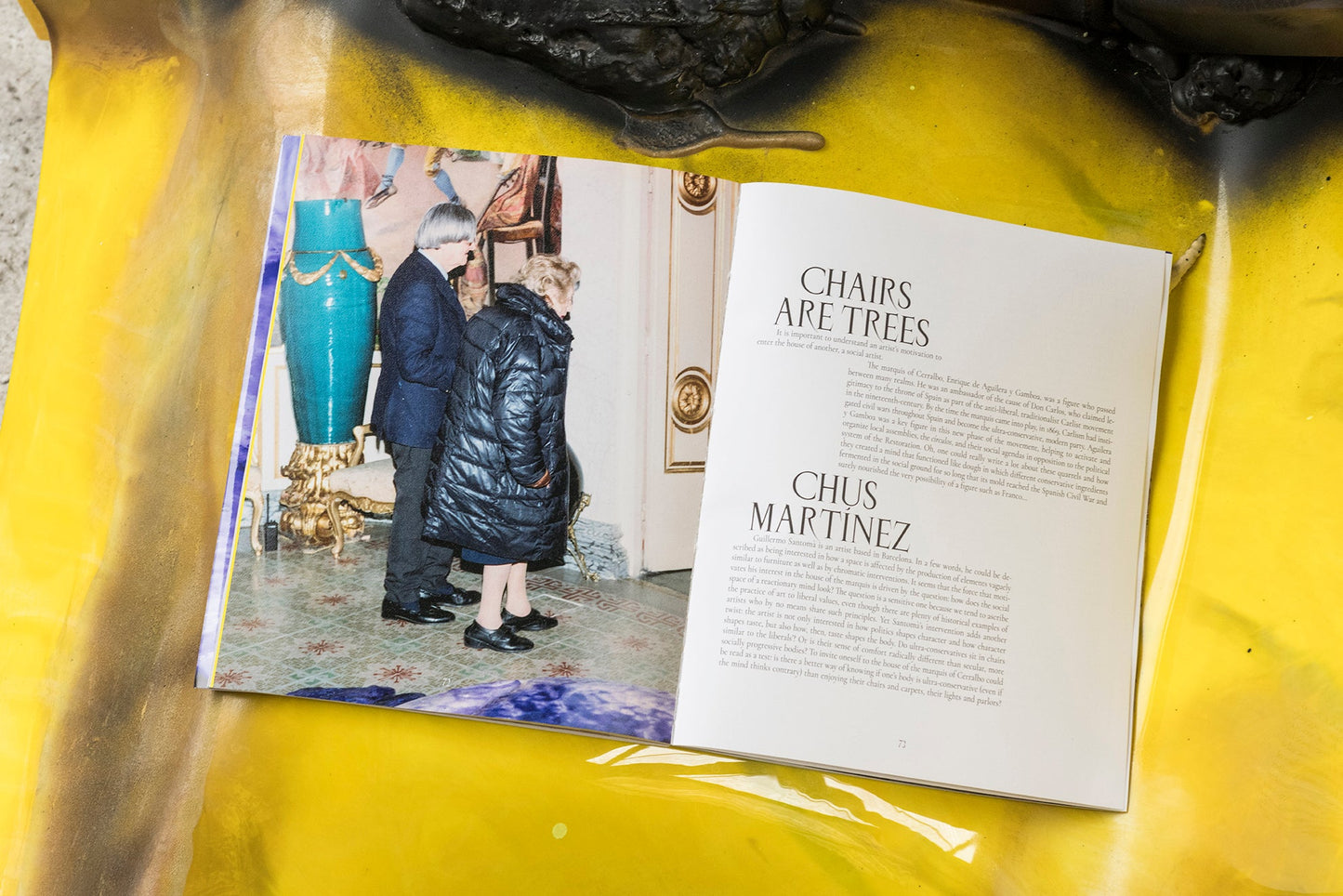
Guillermo Santomà is an artist based in Barcelona. In a few words, he could be described as someone interested in how a space is affected by the production of elements vaguely resembling furniture as well as by chromatic interventions. It seems that the force motivating his interest in the marquis' house is driven by the question: how does the social space of a reactionary mind look? The question is sensitive because we tend to associate the practice of art with liberal values, though there are plenty of historical examples of artists who by no means share such principles. Yet Santomà's intervention adds another twist: the artist is not only interested in how politics shapes character and how character shapes taste, but also how taste then shapes the body. Do ultra-conservatives sit in chairs similar to liberals'?
I interpret his insistence on placing his work there as an act to study the nature of transformation, the relationship between human agency and power, as well as nature (present in all materials) and technology (as in all of us in relation to the space and its objects). The different works he decided to introduce in the palace act as containers of the main issue the house and its past pose to us and our time: the importance of the simultaneous representation of existing and non-existing phenomena. How can art or an artwork sustain a double vision between the tangible and the intangible?
Does anybody know if the toilets at the palace of Cerralbo are gender neutral?"
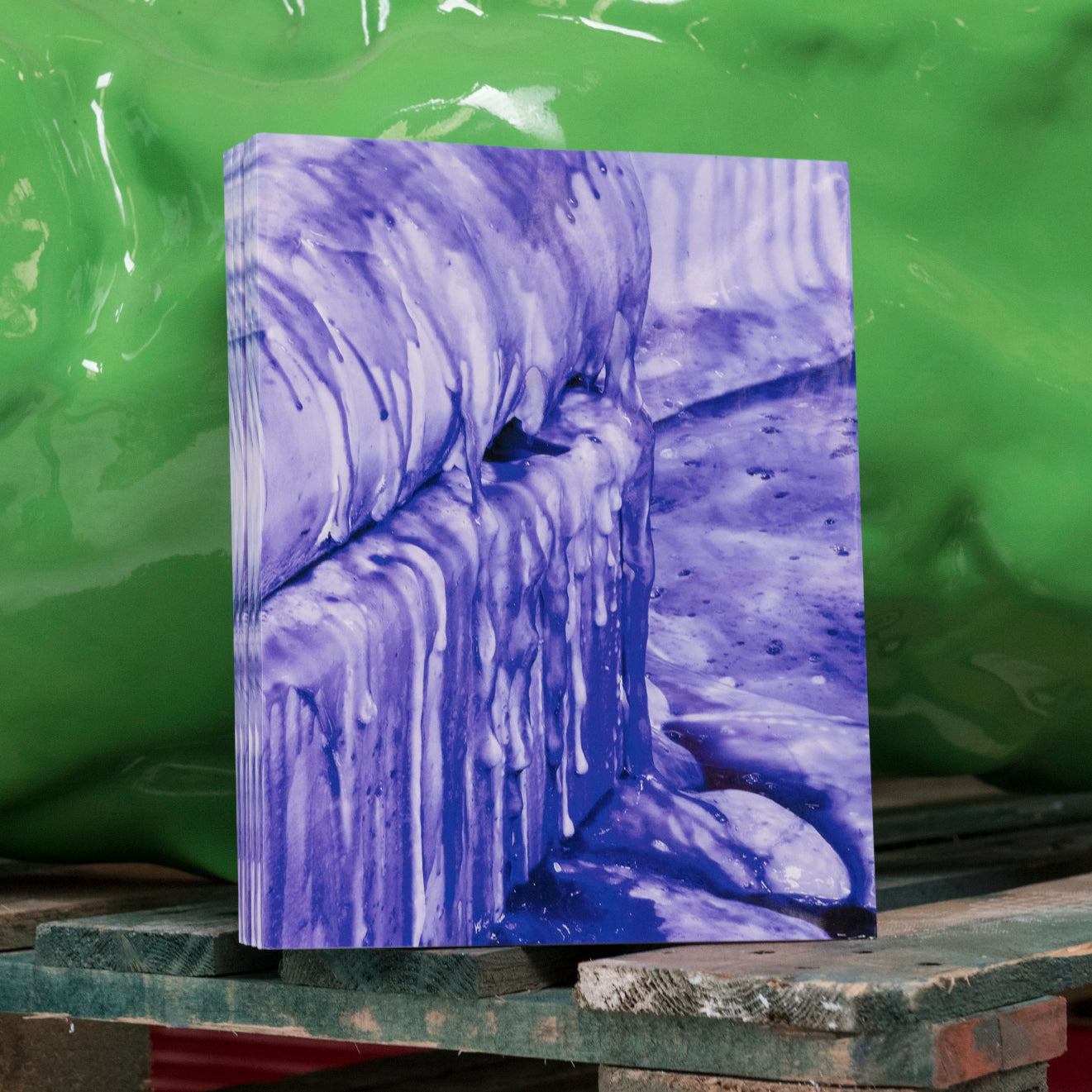
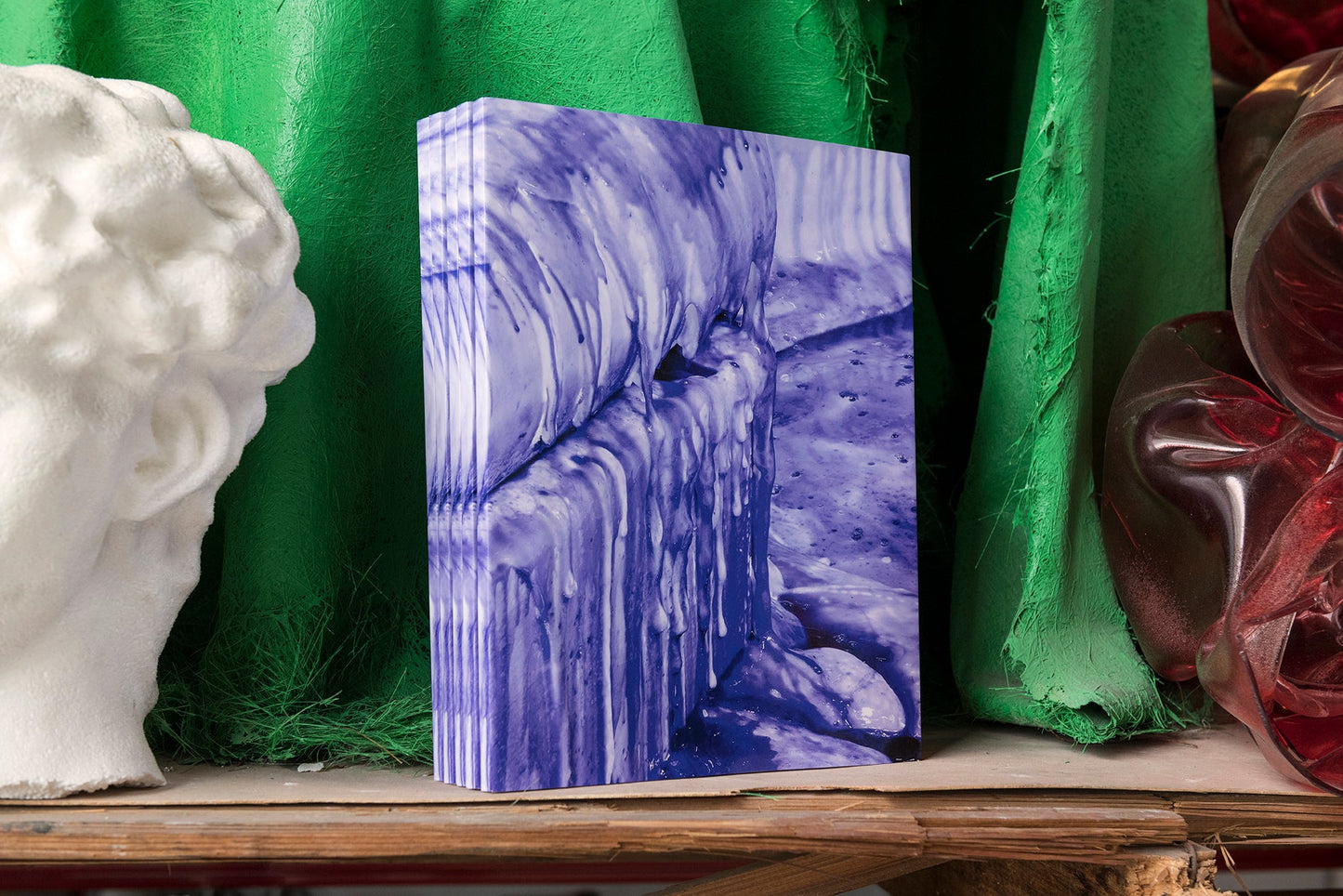
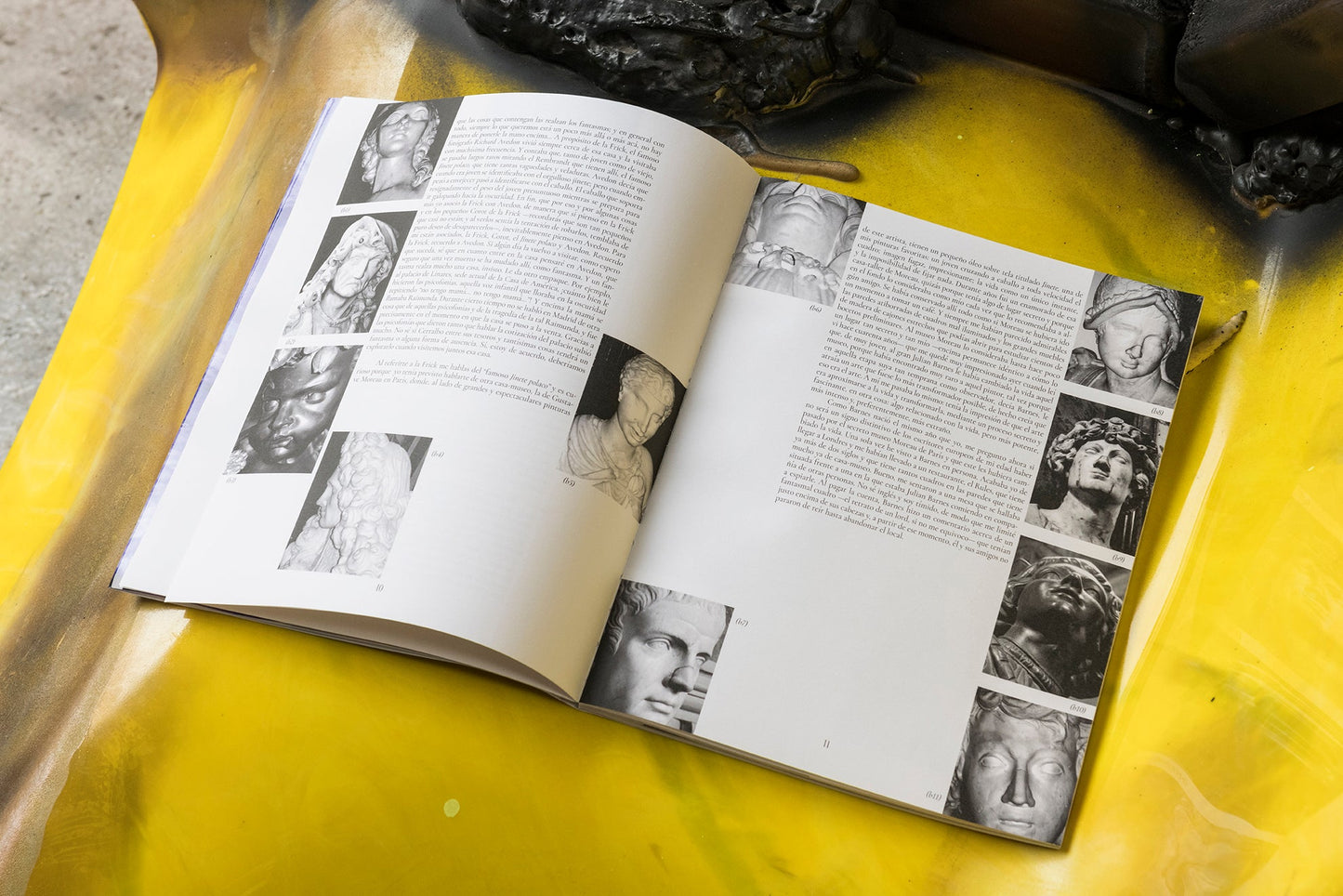
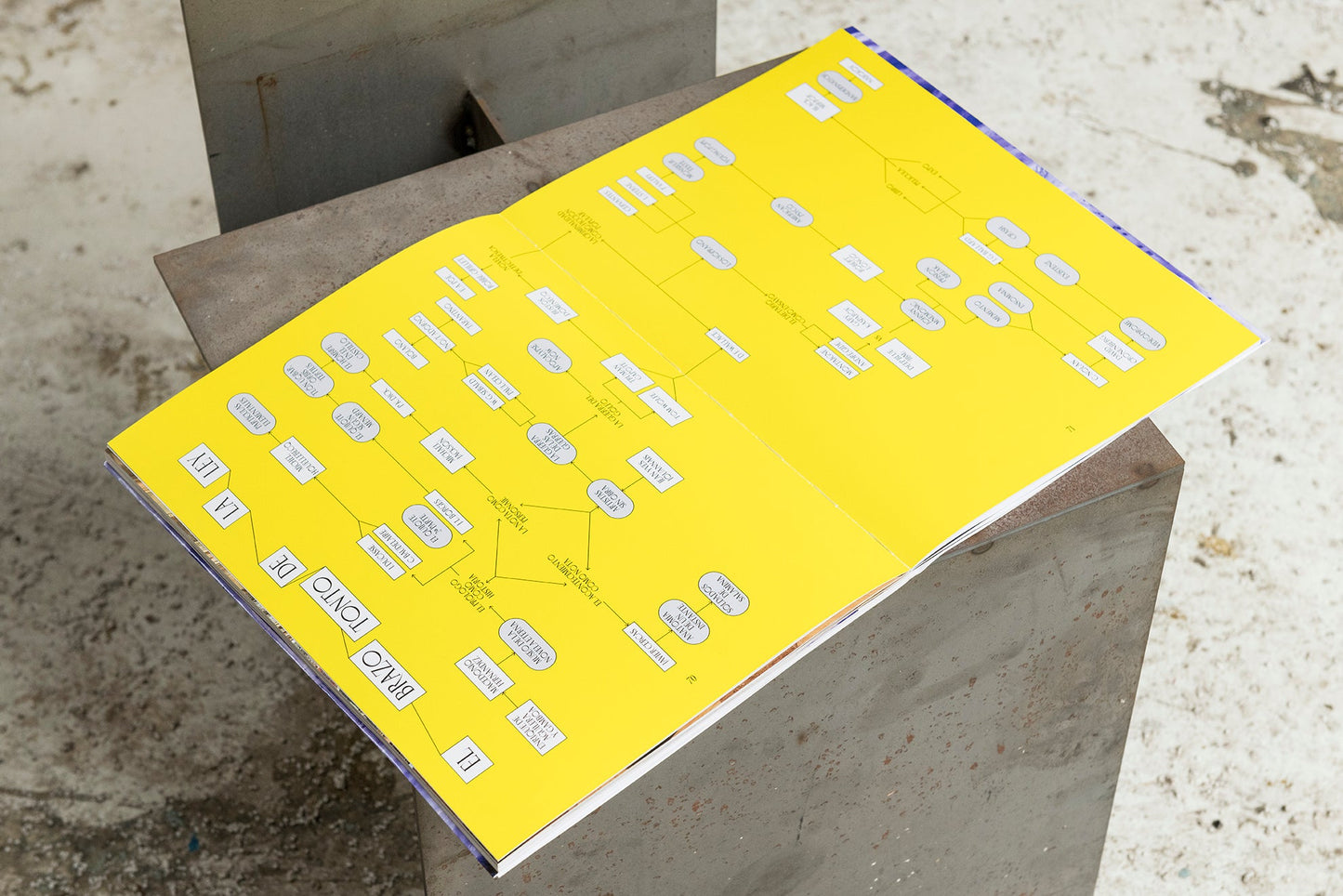
A set of layers and layers of oblique and intertwined literature by Chus Martínez, Ignacio Vidal-Folch, Enrique Vila-Matas, and Guillermo Santomà himself. All of this is accompanied by photographs by José Hevia and Rafa Castells, who documented the intervention that took place in 2019 at the Museo Cerralbo in Madrid, produced by Side Gallery and Etage Projects.


—
💛 By visiting Caniche’s website, you’re supporting an independent publisher directly and contributing to a wider network of artists, readers and small presses beyond traditional channels.
This product is designed and sold by — Caniche
Country — Spain
Shipping information —
About —